
Written by The Banking Post
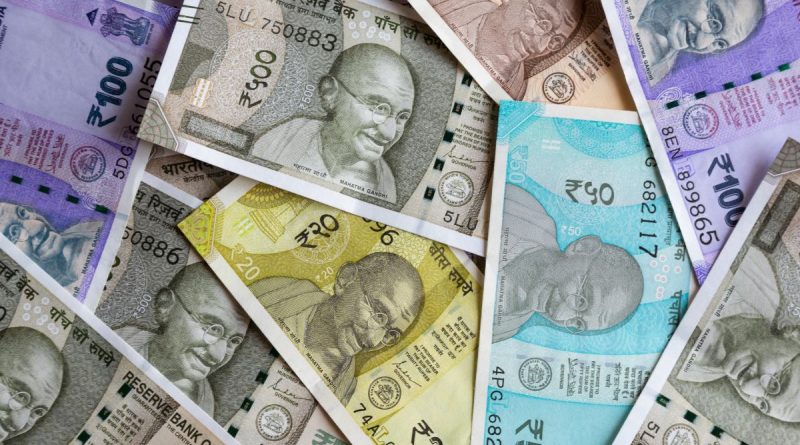
A sharp depreciation of the Indian rupee is emerging as a mixed blessing for Bangladesh, offering importers short-term relief while raising fresh concerns for exporters—especially in the ready-made garment sector, where India is becoming a formidable rival.
The rupee weakened to INR 90.17 per US dollar on Wednesday, down from about Rs 87 only weeks earlier, making it the worst-performing major Asian currency so far this year. While regional currencies such as the Taiwanese dollar, South Korean won, Singapore dollar and Thai baht strengthened between 6% and 10%, the rupee slid roughly 2.5%.
Economists say the drop is likely to continue as higher US tariffs and the threat of further penalties keep pressure on India’s currency. A weaker rupee gives India a pricing edge over trading partners, including Bangladesh, potentially offsetting part of the tariff blow.
India is Bangladesh’s second-largest trading partner, and a cheaper rupee makes Indian goods more affordable. In September, Bangladesh imported more than $1 billion worth of goods from India—nearly 13% of that month’s total imports. Imports from China, in comparison, stood at around $2.2 billion.
But the upside comes with a significant downside. A weaker rupee makes Indian apparel cheaper on the global market, intensifying competition for Bangladesh’s top export.
“The main concern is Bangladesh’s exports,” said an economist at Bangladesh Bank, noting that importers may enjoy cost relief and some inflationary pressure could ease, “but the export side is vulnerable.”
Another economist described the rupee’s movement as entirely market-driven, saying its impact will hinge on how long the weakness persists.
“It is true local importers, especially of rice and other essentials, will benefit, and this may soften inflation,” said Dr Zahid Hussain, an independent economist. “But Bangladesh must also allow the taka to adjust if it wants to stay competitive in garments and other exports.”
The weakened rupee also makes Bangladeshi goods more expensive in India, raising concerns about reduced market access. Bangladesh exported $174.5 million worth of goods to India last September, making it the country’s sixth-largest export destination during the month.