
Written by The Banking Post
The securities regulator has launched enforcement action against Dutch-Bangla Bank Ltd. after identifying what it says is a serious conflict of interest in the bank’s plan to buy a multi-storey commercial building in Motijheel.
On August 26, the bank’s board approved purchasing the 21-storey property—about 207,340 square feet—for more than Tk 10.16 billion, saying it intended to use the building as its new corporate head office. The bank later sought approval from the central bank.
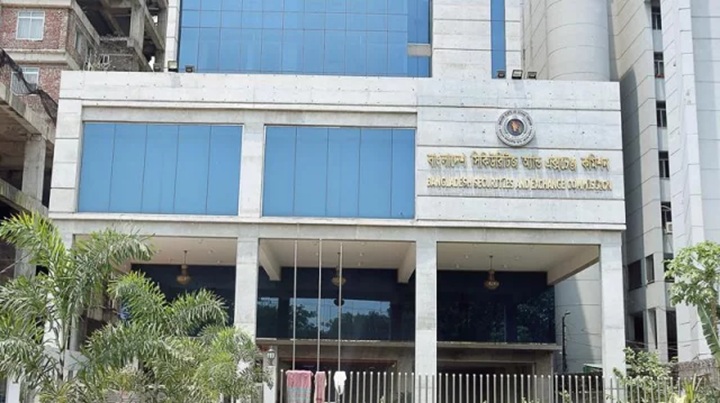
But after the decision was disclosed, the Bangladesh Securities and Exchange Commission asked for transaction details through the Dhaka Stock Exchange and learned that the building is owned by the parents of DBBL’s current chairman. The property belongs to the wife of the founding chairman and mother of the incumbent chair—making it a related-party transaction.
“The bank’s price-sensitive information did not mention the related-party aspect. It’s a serious violation of insider rules,” said BSEC spokesperson Md Abul Kalam, adding that companies often face losses when assets are overpriced in favour of insiders.
The regulator revised the definition of price-sensitive information in 2022, requiring companies to clearly disclose unpublished information that could affect financial performance or asset valuation under the Prohibition of Insider Trading Rules, 2022.
Kalam said the matter has already been forwarded to the BSEC enforcement department and actions will follow. He added that the central bank is unlikely to approve the purchase after the regulator flagged concerns in a letter in October.
Such undisclosed inter-party transactions weaken businesses and have occurred frequently in the past, prompting the regulator to tighten oversight.
“That’s why the securities regulator will summon bank officials for a hearing,” Kalam said.
In its letter to the central bank, the BSEC noted that DBBL failed to inform shareholders that the deal involved related parties—an omission it says breaches disclosure rules and raises concerns about governance and transparency.
For these reasons, the regulator has initiated enforcement proceedings against the bank and individuals responsible for the decision.