


Written by The Banking Post
Bangladesh’s UN-recognised role as a regional logistics hub is coming under strain as re-export activity plunged sharply in the first quarter of the current fiscal year, official data show.
The value of re-exported goods dropped to Tk 1.95 billion during July–September of FY2025–26, down nearly 78 per cent from the same period a year earlier. The fall highlights a sharp slowdown in a trade segment that mainly serves neighbouring landlocked countries, particularly Bhutan and Nepal.
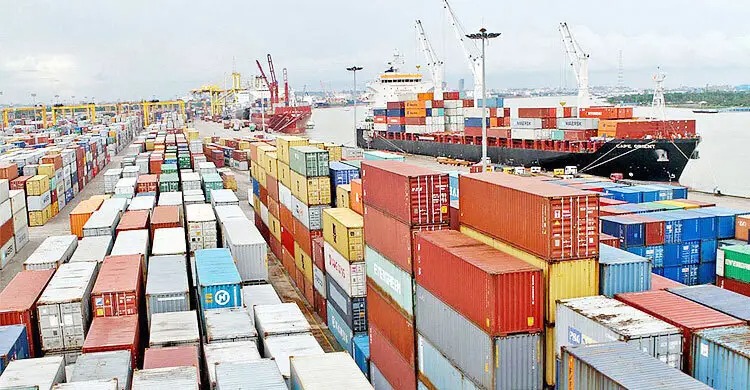
Re-exports refer to goods imported into Bangladesh and then shipped onward without significant processing. While they add little domestic value, they generate port charges, storage fees and customs-handling income, reinforcing Bangladesh’s role as a transit and logistics hub under UN trade-facilitation principles.
Data from the Bangladesh Bureau of Statistics indicate that freight-related hurdles are a key factor behind the decline. People familiar with the trade say re-export flows have weakened since political changes in August 2024, as tighter border controls and enhanced security checks—especially on the Indian side—have slowed cross-border movement.
Under the previous Awami League government, Bangladesh invested heavily in ports, roads and land customs stations, enabling Bhutan, Nepal and some Indian states to use Bangladeshi facilities more extensively. These arrangements generated steady royalties and handling income, according to industry insiders.
“The recent contraction reflects weaker regional coordination and cooler bilateral relations,” said an official involved in re-export operations, speaking on condition of anonymity.
Economists argue the downturn could be reversed by improving connectivity and logistics efficiency, allowing Bangladesh to earn more from transport, storage and transshipment services. “This is essentially transshipment trade—the value addition comes from movement, not manufacturing,” one economist said.
Bangladesh’s preferential trade agreement with Bhutan, signed in 2020 and granting duty-free access to a range of goods, remains a potential support for recovery if logistics bottlenecks ease.
Key items re-exported through Bangladesh include plastics, rubber, leather and animal gut, paper and paperboard, pulp and printed books, man-made fibres and specialised yarns, coated fabrics, clothing accessories, stone, cement, glass and glassware, and base metals such as iron, steel, copper and aluminium.


