
Written by The Banking Post
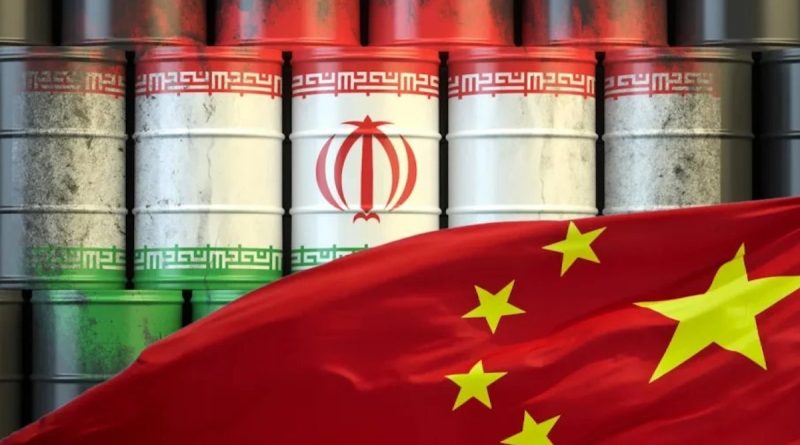
China’s heavy reliance on Iranian crude has made the world’s largest oil importer uniquely vulnerable to any supply disruption stemming from rising tensions in the Middle East.
China now buys more than 80 per cent of Iran’s seaborne oil exports, according to 2025 shipping data. With US sanctions sharply limiting Tehran’s pool of buyers, Beijing has emerged as the backbone of Iran’s oil trade — and a major beneficiary of steep discounts.
Last year, China imported an average of 1.38 million barrels per day of Iranian oil, accounting for about 13.4 per cent of its total seaborne crude imports. Alongside sanctioned oil from Russia and Venezuela, these purchases have helped China save billions of dollars on its energy bill.
Most Iranian crude ends up in China’s independent refiners, known as “teapots”, mainly based in Shandong province. These refiners, which account for roughly a quarter of national capacity, are attracted by lower prices as they operate on thin margins and face weak domestic demand. State-owned oil companies, by contrast, have largely stayed away from Iranian barrels since 2018–19.
The price gap has widened in recent months. Iranian Light crude has traded at a discount of about $8–$10 a barrel to Brent on a delivered basis, up from around $6 late last year. That makes it significantly cheaper than non-sanctioned alternatives such as Oman crude. The wider discount reflects ample supply, with Iran holding record volumes of oil in floating storage, equivalent to roughly 50 days of output.
US sanctions remain a key risk. Washington reinstated restrictions on Iran’s oil trade in 2018 and has imposed fresh measures this year, including penalties on several Chinese teapot refiners. The threat of designation has already curbed purchases by some mid-sized buyers.
Beijing continues to reject unilateral sanctions and defends its oil trade with Iran as legitimate. In practice, Iranian shipments are often re-labelled as originating from transshipment hubs such as Malaysia or Indonesia. As a result, Chinese customs data has shown no direct oil imports from Iran since mid-2022.
While discounted Iranian crude supports China’s refiners and consumers, analysts warn the growing dependence leaves Beijing exposed if conflict, tighter sanctions or shipping disruptions suddenly choke off supplies.