
Written by The Banking Post
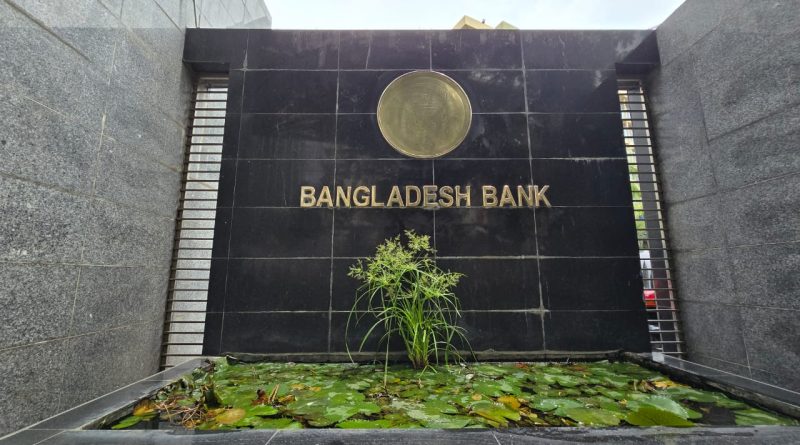
Finance Adviser Salehuddin Ahmed has said the proposal to strengthen the autonomy of Bangladesh Bank involves complex and sensitive issues that should be decided by the next elected government, not the interim administration.
Speaking after a meeting of the Advisory Committee on Government Procurement, he said such reforms require difficult political and institutional decisions. “These are not matters for an interim government. The next government will take them forward,” he said.
He clarified that central bank autonomy does not mean elevating the governor’s status to that of a minister. Rather, it involves structural changes, including revising the composition of the central bank’s board, allowing representation from the private sector, and removing government bureaucrats from key positions.
Asked to assess his own performance over the past 18 months, the adviser rated himself above 70 out of 100. He said many initiatives were started but could not be completed. “I am pragmatic about this. I don’t beat my own drum,” he added.
On the separation of the National Board of Revenue, he said the process has begun but remains unfinished.
He stressed that the interim government has no political motive behind these reform efforts and that all initiatives were taken in the public interest. He urged the next government to continue them.
On the economy, Salehuddin said the interim administration inherited a near-collapsed situation and managed to stabilise it, though major challenges remain. He noted that economic activity and trade must accelerate to generate employment and that inflation cannot be reduced through monetary policy alone without supply-side improvements.
He also pointed to persistent problems in the banking sector, calling them deep-rooted and requiring tough measures. Steps taken by the Bangladesh Bank governor were commendable, he said, but added that “praise alone is not enough.” Credit supply remains tight, and depositor confidence, though partly restored, is still weak.
Regarding small shareholders of the five merged banks, he said the finance ministry is working on possible compensation mechanisms. Options under consideration include issuing shares in the new entities or providing financial compensation, though he acknowledged the issue is highly complex.