


Written by The Banking Post
Restoring law and order and rebuilding investor confidence have emerged as the biggest challenges for Bangladesh’s business sector, as the BNP-led government attempts to revive an economy weakened by prolonged instability.
Business leaders say that despite political calm following the February 12 parliamentary election, investment has yet to rebound. Years of uncertainty, particularly during the 18-month interim period after the 2024 uprising, left the private sector deeply shaken.
President of the Dhaka Chamber of Commerce & Industry Taskeen Ahmed said stopping extortion is critical. “To ensure a stable business environment, extortion has to stop first. Corruption and bureaucratic complexities in government offices must also be addressed,” he said, noting that factories still face illegal payments for truck movements.
President of the Bangladesh Textile Mills Association Showkat Aziz Russell said confidence is at its lowest ebb. “No entrepreneur feels confident about making long-term investments at this moment. The government’s first task is to restore that confidence,” he said, urging an end to bureaucratic red tape.
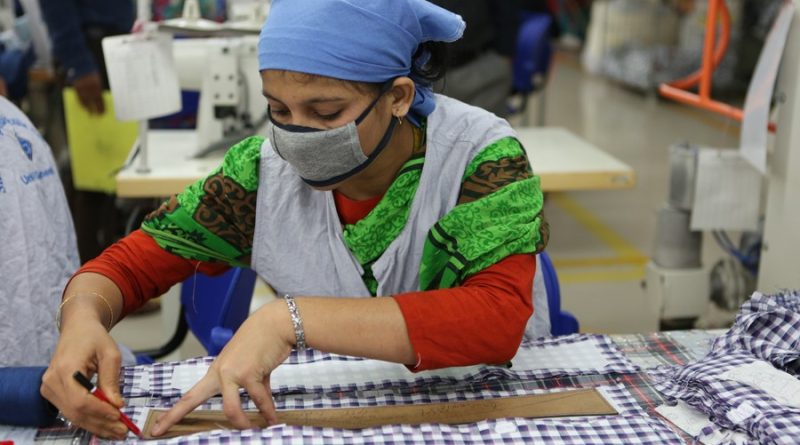
The ready-made garment sector, the country’s export backbone, remains under pressure. More than 400 factories reportedly shut during the interim period. Export earnings fell 2.43% in the first half of the fiscal year, while back-to-back letters of credit declined 12.90% in November 2025. Lower prices, deferred shipments and rising operating costs have further squeezed margins.
The International Institute for Strategic Studies observed that economic stability hinges on political stability and warned of short-term pressures to boost growth, curb inflation and rebuild foreign exchange reserves. The Centre for Policy Dialogue highlighted weak macroeconomic stability, fragile private investment and limited fiscal space as key risks.
Economists have called for prudent fiscal management and structural reforms, warning that without decisive action on governance and institutional efficiency, restoring momentum to business and investment will remain an uphill task.


