
Written by The Banking Post
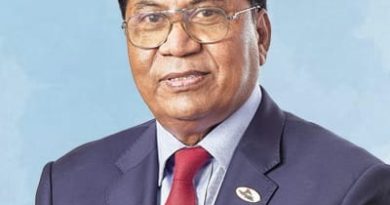
Removing selected non-tariff barriers could significantly increase US investment in Bangladesh, Commerce, Industry, and Textiles & Jute Minister Khandakar Abdul Muktadir said on Wednesday.
He made the remarks after a meeting with S Paul Kapur at the Bangladesh Secretariat.
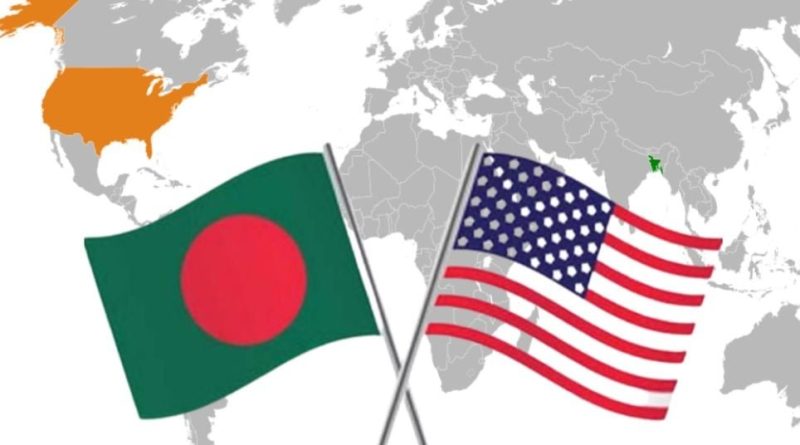
The meeting focused on strengthening bilateral trade ties, expanding US investment into new sectors, improving digital infrastructure and deepening overall trade and investment cooperation between the two countries.
The minister said certain procedural and policy bottlenecks still affect the investment climate.
“If we can reduce unnecessary complexities and remove non-tariff barriers, US investment in Bangladesh will grow further,” he said.
He added that addressing these barriers could also help Bangladesh gain better access to US development assistance and financing programmes.
Trade deal not discussed
Responding to a question about the recent Bangladesh–US trade agreement, the minister said the issue was not discussed separately at the meeting.
According to him, the agreement had already been signed at the state level and was currently in force, leaving little scope for new decisions at this stage.
Asked whether the deal conflicted with Bangladesh’s interests, he said international agreements typically involve mutual concessions.
“Some provisions favour one side, while others benefit the other. The goal is to reach a win-win outcome through negotiations,” he said.
Military issues outside commerce ministry
Although a congratulatory message from the US president referenced trade and military cooperation, the minister said no military matters were discussed during the meeting.
“Military issues do not fall under the Ministry of Commerce,” he said.
On the Supreme Court of the United States’s recent ruling on tariffs, he said the government was closely monitoring developments as the situation continued to evolve.
He also noted that international agreements could be reviewed if circumstances required.
“No agreement is entirely final. There is always scope for review and renegotiation when necessary,” he said.