
Written by The Banking Post
The American Chamber of Commerce in Bangladesh (AmCham) has urged the government to undertake comprehensive tax reforms, enhance policy predictability, and accelerate digitalisation to align revenue mobilisation with the country’s evolving economy.
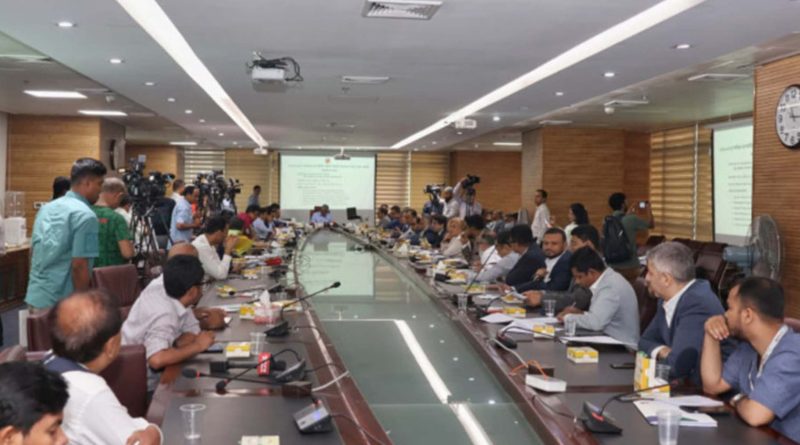
The recommendations were presented at a pre-budget consultation for FY27 held at the National Board of Revenue (NBR) headquarters in Dhaka, chaired by NBR Chairman Md Abdur Rahman Khan. Representatives from multiple business chambers, including local and foreign investor groups, also joined the discussion.
AmCham noted that while Bangladesh has made significant economic progress, its revenue system has not kept pace with the demands of a modern, investment-driven economy. It highlighted that only about one-third of registered taxpayers currently file returns, pointing to a major gap in compliance.
The chamber also flagged the heavy reliance on indirect taxes, which account for nearly two-thirds of total revenue, increasing the burden on consumers. “This is not just a fiscal issue. It is a question of fairness, competitiveness, and sustainability,” it said.
To strengthen the tax base, AmCham emphasised building a system based on simplicity, transparency and predictability to encourage voluntary compliance. It called for stable tax policies, including clarity on tax rates, incentives and long-term fiscal measures to support investment decisions.
Among its proposals, the chamber recommended rationalising the tax structure by reducing overlapping taxes, addressing double taxation, and reviewing minimum tax provisions to lower the cost of doing business.
On administration, it called for simplified procedures, fewer compliance requirements, stronger VAT refund mechanisms, and faster institutional modernisation. It also welcomed the planned separation of tax policy from administration as a step toward improved governance.
Digitalisation featured prominently in the proposals, with AmCham urging expansion of electronic payments, incentives for cashless transactions, and investment in digital tax infrastructure to improve compliance and reduce informality.
For trade facilitation, the chamber proposed digital customs clearance, transparent valuation systems, improved bonded warehouse facilities, and more efficient port operations to cut business costs.
It also stressed the need for faster VAT refunds, improved supply chains, and accelerated trade agreements as Bangladesh prepares for LDC graduation.
AmCham further called for supportive tax policies for government securities, incentives for SME financing, and measures to attract foreign portfolio investment, alongside investments in digital skills, AI readiness, and green transformation.
The chamber said it remains committed to working with authorities through “constructive dialogue, practical solutions, and a shared commitment to Bangladesh’s continued growth.”