
Written by The Banking Post
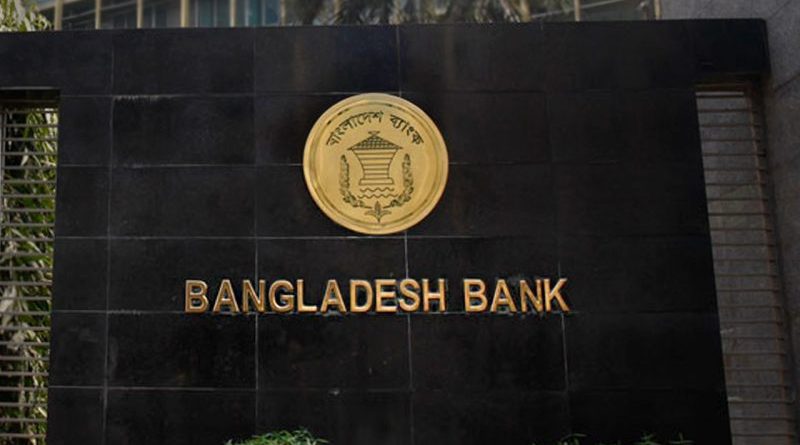
The central bank has stepped in once again at ICB Islamic Bank, appointing an administrator to restore oversight and protect depositors amid a deepening financial crisis.
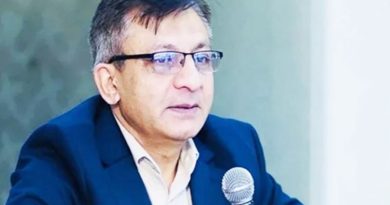
Mamunur Rahman, an executive director of Bangladesh Bank, has been assigned to lead the troubled lender, according to a stock exchange disclosure.
The move comes as the Shariah-based bank struggles with mounting losses, weak governance and a fragile balance sheet—issues that have persisted despite repeated regulatory interventions.
The bank’s financial position has deteriorated sharply over the years. By the end of 2025, accumulated losses exceeded Tk 21 billion, while nearly 91 per cent of its investments had turned classified—one of the highest levels in the sector.
Its capital adequacy ratio has plunged to negative 172 per cent, far below the required minimum, raising serious concerns about its viability.
“These conditions indicate material uncertainty that may cast significant doubt on the bank’s ability to continue as a going concern,” an auditor warned.
The bank has long been under scrutiny. Its board was dissolved last year over governance failures, following earlier interventions dating back to the mid-2000s when major irregularities first surfaced.
Despite restructuring attempts, including a change in ownership and rebranding, the lender has failed to recover.
Some experts have questioned the rationale of keeping the bank operational.
“Allowing the bank to continue operations will only increase the eventual burden. Sooner or later, the government will have to compensate depositors,” a former central bank governor said.
The crisis is also reflected in its market performance. The bank’s share price has remained well below face value for years, dragging down its market capitalisation far below its paid-up capital.
With the latest move, the central bank is tightening control once more. However, analysts warn that without a decisive restructuring plan—whether through merger or liquidation—the bank’s recovery prospects remain uncertain.