
Written by The Banking Post
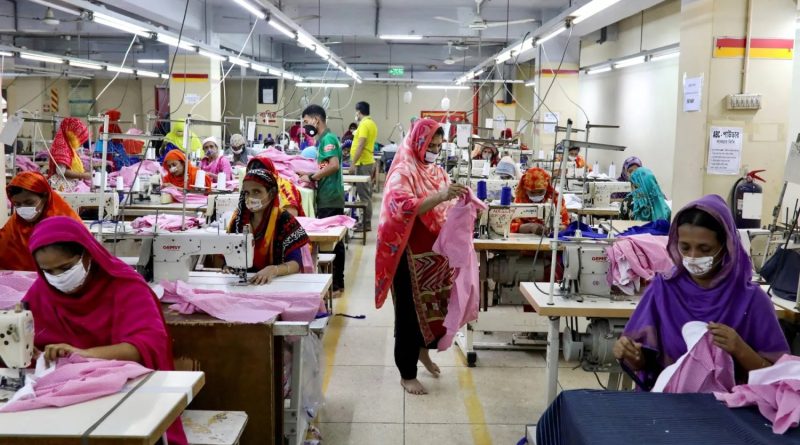
Bangladesh’s knitwear factories are running well below capacity as fuel shortages and weak global demand continue to strain the sector.
Factories are currently operating at just 50–60 per cent of their capacity, said Mohammad Hatem, president of the Bangladesh Knitwear Manufacturers and Exporters Association. “Exports have declined in recent months, and energy shortage is now one of the biggest challenges,” he said.
Despite official assurances of adequate supply, manufacturers say they are struggling to secure fuel at filling stations. Many factories are also facing daily power outages of two to three hours, while industrial zones like Gazipur and Savar are experiencing outages of up to seven hours.
The situation has been further complicated by restrictions on supplying fuel in containers, making it harder for factories to maintain operations. Authorities are monitoring distribution and enforcing regulations, but supply gaps persist.
Industry leaders say the crisis is compounding existing pressures. Rising production costs—up by at least 20 per cent—are squeezing margins, as exporters are unable to pass on higher costs to buyers due to pre-fixed pricing agreements.
At the same time, global demand has weakened amid economic uncertainty and geopolitical tensions, leading to fewer export orders, particularly from key markets such as the European Union.
The sector is also grappling with financial constraints. Exporters report difficulties in opening letters of credit, accessing bank financing and completing import-export transactions, while customs complexities continue to disrupt trade.
Many factories have already shut down, with more at risk if conditions do not improve, industry insiders warned.
Against this backdrop, business leaders are urging a shift towards technology-driven and efficient production to stay competitive. They highlighted the importance of innovation as the global fashion industry moves towards fast fashion, recycling and circular production models.
The concerns were raised ahead of the Bangladesh International Textile, Knitting and Garment Industry Exhibition (BTKG Expo 2026), where over 1,000 exhibitors from 30 countries are expected to showcase advanced machinery and technologies.
Organisers say the event aims to help the sector recover, attract buyers and encourage investment, even as the industry navigates one of its most challenging periods in recent years.