
Written by The Banking Post
Bangladesh’s import orders showed little growth in the first nine months of FY2025-26, while actual payments declined sharply, reflecting a cooling economy and tighter foreign-exchange management.
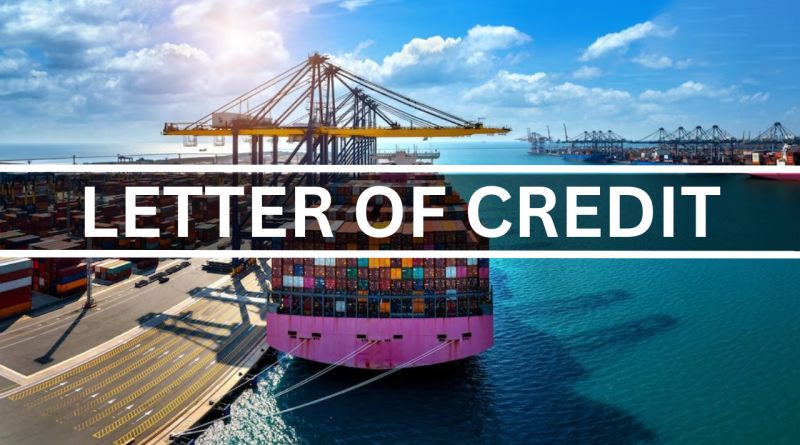
Data from the central bank show that letters of credit (L/Cs) opened during July–March stood at $53.94 billion, marking a marginal increase of just 0.35% year-on-year. In contrast, L/C settlements fell by 4.14% to $50.43 billion—down by more than $2 billion from the same period a year earlier.
Officials said the divergence points to weakening private-sector demand and a cautious business outlook amid geopolitical tensions and uncertainty in global supply chains, particularly around key shipping routes.
“Entrepreneurs are taking a wait-and-see approach due to both domestic and external shocks,” a central bank official said, noting that while private-sector imports slowed, public-sector demand kept overall L/C openings largely stable.
Bankers say the decline in import payments is being driven by a mix of policy tightening and economic slowdown. One industry executive pointed to acute foreign currency constraints and stricter regulatory measures as key factors behind the trend.
To protect foreign-exchange reserves, authorities have imposed higher margin requirements and tighter controls on non-essential and luxury imports, prioritising macroeconomic stability over rapid trade expansion.
At the same time, slowing industrial activity has reduced demand for raw materials and capital machinery, while inflation and uncertainty have dampened consumer appetite for discretionary goods.
“Supply-side restrictions and demand-side weakness have combined to create a structural contraction in imports,” the banker said.
Analysts say the trend underscores a cautious macroeconomic stance, as policymakers balance reserve management with the need to support economic recovery.