
Written by The Banking Post
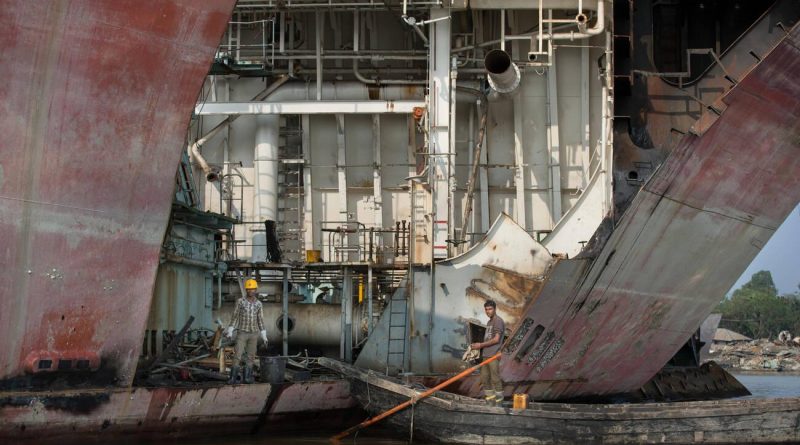
Bangladesh’s ship-breaking sector has hit turbulent waters, with scrap vessel imports plunging 36% in the first half of 2025. The decline coincides with mounting regulatory barriers and delayed clearances linked to the country’s shift toward global compliance under the Hong Kong Convention (HKC).
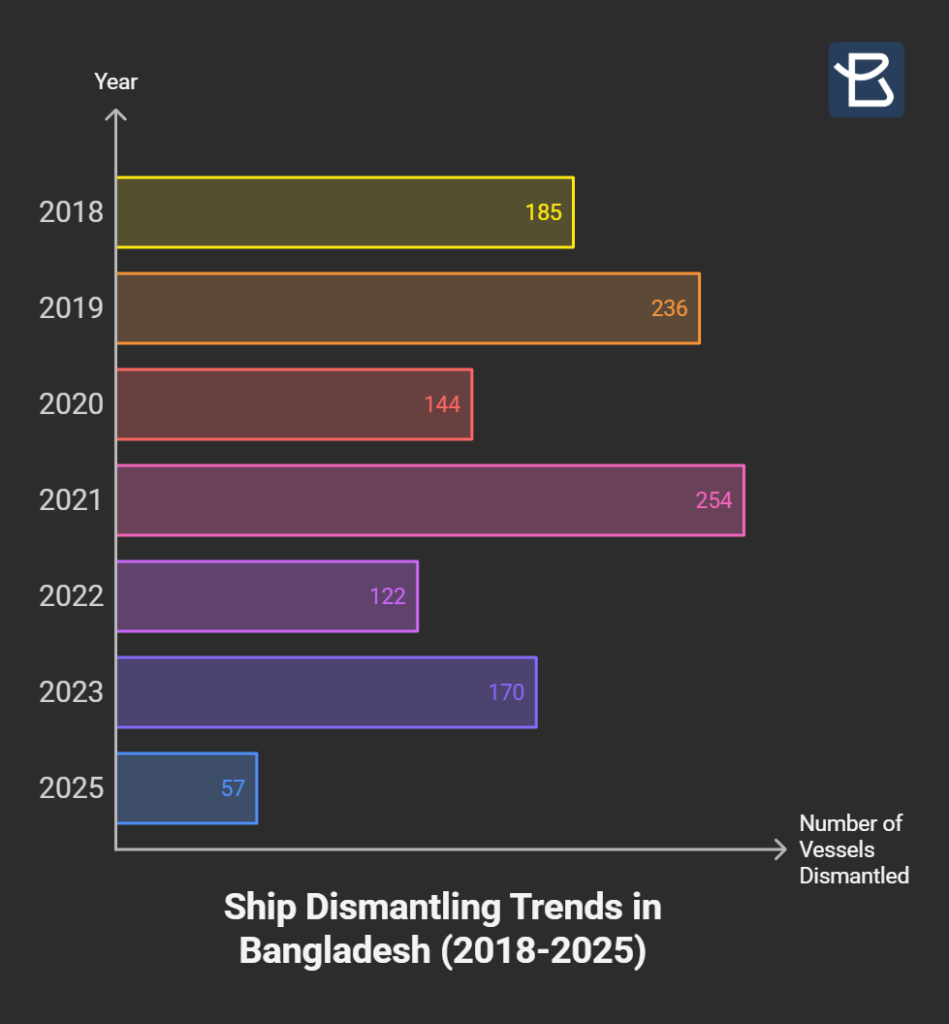
Data from the NGO Shipbreaking Platform (NSP) reveals that only 57 end-of-life ships were imported between January and June—down from 89 in the same period last year. Industry players attribute the drop to the absence of the newly mandated Document of Authorization to Conduct Ship Recycling (DASR), which no local yard has yet received. Without DASR, importing vessels under HKC guidelines remains legally barred.
Procedural bottlenecks continue to hamper operations. “No Objection Certificates haven’t been issued since March, and the sector’s reclassification from ‘orange’ to ‘red’ has added layers of bureaucracy,” said Kamal Uddin Ahmed, adviser to the Bangladesh Ship Breakers and Recyclers Association (BSBRA). He noted that yards now face delays of up to two months for dismantling approvals, denting profitability and discouraging investment.
Despite the setbacks, there has been progress on environmental standards. Fourteen yards have achieved “green yard” certification, with a dozen more in transition. However, the lack of a dedicated Treatment, Storage and Disposal Facility (TSDF) remains a critical gap, with NSP warning of continued pollution and safety risks.
The Ship Recycling Board, established under the Ship Recycling Act 2018, is expected to become fully operational shortly. Director General ASM Shafiul Alam confirmed the board received final ministerial approval and is preparing to streamline regulatory processes for more than two dozen permits.
Globally, Bangladesh trails India (49 vessels), Turkey (35), and the EU (14) in ship-breaking activity, while China recorded zero imports in H1 2025. Annual figures also show a steady slowdown, with 130 vessels dismantled in 2024—well below previous years.
Ship-breaking remains a vital input source for the domestic steel and engineering industries. Yet out of 150 shipyards nationwide, fewer than 30 are currently active.