
Written by The Banking Post
The government has put recovery of an estimated $200 billion in siphoned-off funds at the heart of efforts to stabilise the economy, as mounting capital shortages strain the banking sector and private businesses.
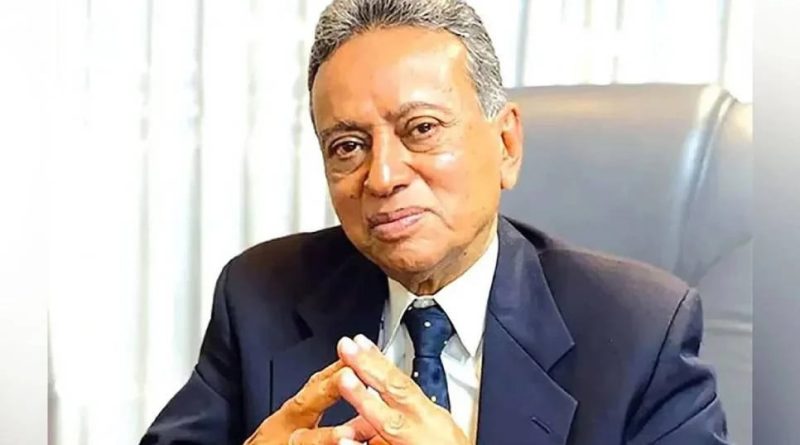
Finance Minister Amir Khosru Mahmud Chowdhury said years of capital flight have hollowed out the financial system, leaving banks short of liquidity and undermining confidence.
“The stolen money that came out of Bangladesh is over $200 billion,” he said, describing the outflow as the main driver of the current crisis.
According to him, the loss of such a large volume of capital has created a deep funding gap, particularly in the private sector, where businesses are struggling to access financing. The impact is already visible across banks, many of which he described in stark terms: “A lot of banks are practically bankrupt.”
The government now sees asset recovery as critical to any meaningful reform. “Without this, talk about any other reforms is not going to get us anywhere,” he said, stressing that economic restructuring would fall short unless lost funds are brought back.
The crisis is being compounded by external pressures. Rising global energy costs—linked to instability in the Middle East—have forced Bangladesh to spend heavily on fuel imports. “We are out of pocket by nearly $2 billion already,” he noted, pointing to purchases from the spot market.
This combination of capital erosion and external shocks has intensified pressure on businesses, limiting investment and slowing economic activity.
Khosru said recovering offshore assets will require sustained international cooperation to trace and repatriate funds. He framed the effort as essential not just for fiscal repair, but for reviving private sector activity. “The private sector now needs to be salvaged,” he said.
Despite the scale of the challenge, he signalled a continued push for transparency and accountability, acknowledging that recovering funds spread across multiple jurisdictions will be difficult but necessary to restore stability.