
Written by The Banking Post
A much-publicised high-level meeting aimed at accelerating the listing of state-run and multinational companies ended without any tangible progress, underscoring the challenges facing the government’s plan to deepen the capital market.
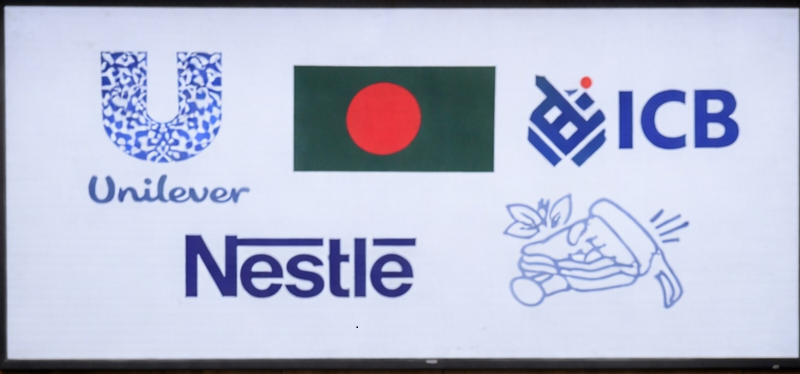
The meeting, held last week at the Bangladesh Secretariat and led by Finance Adviser Dr Salehuddin Ahmed, brought together three advisers, senior bureaucrats and top executives of targeted companies, including Unilever Bangladesh. While the adviser later said that 10 companies had agreed to offload shares, participants said the discussion stopped short of any procedural commitment.
According to several attendees, company representatives only agreed to place the issue before their respective boards for consideration. “No procedural progress could be achieved at the meeting,” said one participant, speaking on condition of anonymity.
Some companies defended their non-listed status, while others openly opposed going public. A representative of Unilever Bangladesh told the meeting that its subsidiary, Unilever Consumer Care, was already listed, arguing that this met the requirement of sharing profits with the public. However, officials noted that the company was listed when it operated as GSK Bangladesh, before Unilever acquired it in June 2020.
Meeting sources said the finance adviser sharply criticised firms reluctant to issue primary shares, reminding them that the government had already decided to offload its own stakes in multinational companies. He reportedly told Unilever that the government would sell its 5 per cent holding and expected the company to offload an additional 5 per cent alongside it.
The chairman of the state-run Investment Corporation of Bangladesh, Prof Abu Ahmed, urged the government to widen the tax gap between listed and non-listed firms to push state-owned enterprises and multinational companies into the equity market. He noted that companies in the UK are required to float at least 10 per cent of their paid-up capital, while Bangladesh is asking for only 5 per cent.
He also questioned why multinational firms that share profits with the public in other countries are unwilling to do so in Bangladesh.
The interim government announced plans in May last year to bring more companies to the secondary market to improve market depth. However, there has been little visible progress so far, and the latest meeting failed to break the deadlock.
Commenting on the outcome, Prof Ahmed said the meeting sent a strong message but acknowledged that execution remained uncertain. Two other participants also expressed dissatisfaction over the lack of follow-through on the government’s listing decision.
The discussion also touched on company-specific issues. A representative of Nestlé Bangladesh said the government held no stake in the company, but the finance adviser responded that a government stake was not a prerequisite for listing. Complications were also raised regarding Karnaphuli Fertiliser Company Ltd, whose regulations allow share transfers only among existing shareholders. A foreign shareholder is reportedly planning to transfer its stake, which the government could later offload in the market.
By the end of the meeting, representatives of state-run and multinational firms said they would place the minutes before their boards and seek approval for listing—leaving the government’s capital market push once again without a clear timeline or concrete outcome.