
Written by The Banking Post
Bangladesh’s electric bike market is gaining rapid momentum, driven by improved Chinese technology and ongoing fuel supply disruptions that are reshaping consumer preferences.
Industry insiders say affordable pricing, longer battery life, and growing frustration over fuel shortages are accelerating the shift from conventional motorcycles to electric alternatives.
The market is currently dominated by Chinese brands like Yadea and Revoo, while local players such as Walton, Akij Group, Green Tiger, and RFL Group’s RYDO are expanding their footprint to capture rising demand.
Sales have surged sharply in recent months. From around 700 units per month earlier, e-bike sales climbed to 2,260 units in March 2026. Around 30 importers have entered the market, bringing in nearly 30,000 units through both fully built and semi-assembled channels.
Battery advancements now allow some models to run up to 200 kilometres on a single charge, making them more practical for daily use.
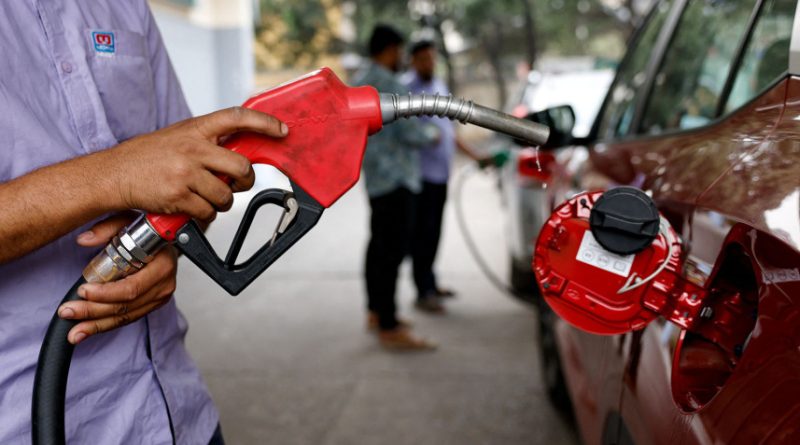
“We are witnessing strong growth in the electric segment,” said a senior executive of a leading automaker. “Consumers are increasingly frustrated with long queues at petrol pumps and uncertainty surrounding fuel supply.”
The shift has been further accelerated by global energy volatility and recent fuel rationing measures, prompting users to seek more reliable and cost-efficient transport options.
Industry players say the cost advantage is significant. Operating a petrol-powered motorcycle can cost around Tk 50,000 annually, compared to roughly Tk 4,000 for an electric bike.
“The cost difference is substantial. Consumers are calculating long-term savings and making decisions accordingly,” said a sector executive, noting sales growth of up to 200–300 per cent in some cases.
From a broader perspective, analysts see this as a structural shift in urban mobility. “Electric two-wheelers offer lower lifecycle costs and reduce exposure to imported fuel shocks,” said an economist, adding that the trend could ease pressure on foreign exchange reserves.
Despite the growth, challenges remain. The sector lacks a clear policy framework, and there is no full-scale local manufacturing yet. Import duties, currency volatility, and limited charging infrastructure continue to constrain expansion.
Stakeholders warn that without coordinated policy support—including incentives, infrastructure development, and regulatory clarity—the sector’s growth momentum could slow.
Still, with rising fuel uncertainty and increasing cost consciousness among consumers, the electric two-wheeler market is expected to maintain strong upward traction in the coming years.