


Written by The Banking Post
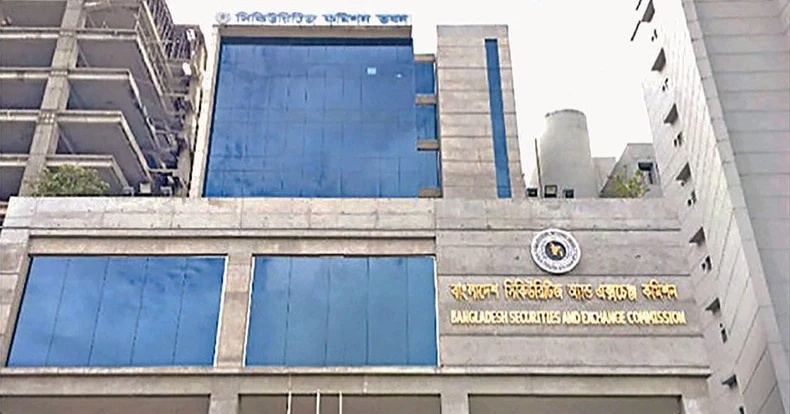
The Bangladesh Securities and Exchange Commission (BSEC) has penalised the top executives of Fortune Shoes Ltd for failing to distribute declared dividends and pay listing fees, in a move aimed at strengthening investor protection.
At a meeting chaired by its chairman, the regulator found that the company had left a significant portion of its declared cash dividend unpaid. Of Tk 162.5 million approved for FY22, about Tk 39.8 million remains outstanding. The company also failed to clear Tk 1.83 million in listing fees owed to the Dhaka Stock Exchange over three years.
The BSEC has directed the company to settle all dues within 30 days, warning of further legal action if it fails to comply.
As part of enforcement, the regulator imposed a Tk 50 million fine on the chairman, along with penalties on other directors and senior officials for violating securities laws and undermining investor interests.
Alongside the enforcement action, the BSEC introduced several policy adjustments to improve market efficiency. ‘A’ category listed banks will now be allowed to maintain dividend accounts within their own institutions, replacing the earlier requirement to use separate banks. The change is expected to streamline dividend disbursement and reduce administrative costs.
The regulator also relaxed rules for companies under restructuring, allowing them to raise capital even if board shareholding falls below the previous 30 per cent threshold. This is intended to ensure that financially stressed firms can access funds for recovery without regulatory bottlenecks.
In a separate move, the commission approved the continuation of its capital market journalism awards and fellowship programme, aimed at promoting transparency and research-driven financial reporting.
The latest actions signal a stricter regulatory stance on compliance while introducing targeted reforms to support market stability and efficiency.


