
Written by The Banking Post
Business leaders have called for a rationalisation of corporate tax in the upcoming budget, saying companies are struggling in a high-cost environment driven by both domestic and global factors.
At a budget discussion in Dhaka, they proposed cutting the turnover tax to 0.5% to ease liquidity pressure and support business expansion. They also sought tax waivers for recycling and reusable goods manufacturing to encourage sustainable investment.
The event was jointly organised by the Metropolitan Chamber of Commerce and Industry, Dhaka and the Economic Reporters’ Forum.
Business leaders said high inflation and rising costs are squeezing margins, particularly for small and medium enterprises. “Businesses are navigating a challenging period marked by high inflation and mounting pressure on SMEs,” said a chamber leader, urging a 2.5 percentage point cut in corporate tax for both listed and non-listed firms.
They also called for simplifying VAT and customs procedures and building a technology-driven tax system to improve compliance and boost revenue.
Former National Board of Revenue chairman Muhammad Abdul Mazid stressed that private sector proposals should be submitted earlier in the budget cycle for proper consideration. He also called for greater transparency and accountability in tax administration.
“All statutory regulatory orders should be discussed within a policy forum before issuance,” he said, suggesting a dedicated policy wing involving key stakeholders.
He noted that revenue targets are often announced without clear sources, urging the government to outline detailed plans. Expanding the tax net by linking national ID data with bank accounts and assets could improve collection, he added.
Mazid also emphasised the importance of better public services to encourage tax compliance. “People will be more willing to pay taxes when they see effective service delivery,” he said.
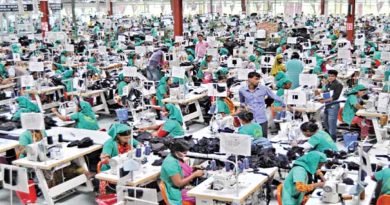
Exporters highlighted additional challenges. A business leader said export-oriented sectors have seen weaker orders over the past nine months, partly due to new European regulations, which could weigh on overall economic growth.
Participants at the event said a balanced approach—lowering tax burdens while improving governance and compliance—will be key to supporting businesses and sustaining revenue growth in the coming fiscal year.