


Written by The Banking Post
-Experts at the National Dialogue of the National Char Alliance
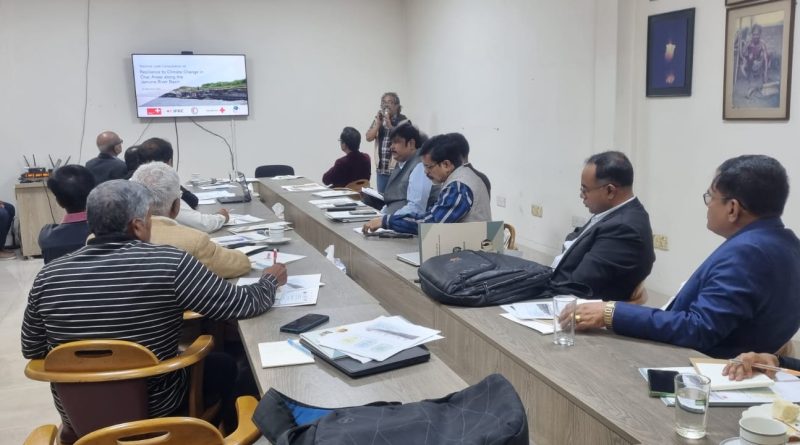
Due to uncertainties caused by climate change and frequent natural disasters, the inhabitants of the chars in the Jamuna River basin face special vulnerabilities. Therefore, without giving adequate priority to climate change adaptation and disaster risk reduction in national policies and strategies for the development of these economically lagging char regions, sustainable development in those areas will not be possible. Today (Sunday, 07 December 2025), at a national dialogue titled “Resilience to Climate Change in Char Areas along the Jamuna River Basin” organized by the National Char Alliance (NCA) at Banglamotor, Dhaka, experts expressed these views. The event was held at the Khondaker Ibrahim Khaled Conference Hall of the private research organization Unnayan Shamannay. The Secretary General of the Bangladesh Red Crescent Society, Dr. Kabir M. Ashraf Alam (NDC), attended the dialogue as the Chief Guest. The dialogue was chaired by Dr. S. M. Zulfiqar Ali, Research Director of BIDS and Executive Chairperson of Unnayan Shamannay, and moderated by Unnayan Shamannay’s Emeritus Fellow and BIGD Visiting Research Fellow, Khondakar Sakhawat Ali.
NCA Member Secretary Zahid Rahman stated that effective coordination between government and non-government initiatives is essential for the sustainable development of life and livelihoods in the char areas. For this, regular and effective exchange of views among all stakeholders must continue. With support from the ‘Joint Action for Mitigating Climate Uncertainties and Natural Adversities (Jamuna)’ project—jointly implemented by the Bangladesh Red Crescent Society and the Swiss Red Cross—the National Char Alliance (NCA) has been conducting various advocacy activities, of which this national dialogue is a part. Presenting the objectives of the Jamuna project, its Project Director Md. Jasim Uddin Kabir noted that all relevant stakeholders must work collaboratively to bring national-level attention to the special climate- and disaster-related vulnerabilities faced by char communities. On behalf of NCA, Abdullah Nadvi, Research Director of Unnayan Shamannay, presented the background of the dialogue. He urged the government to ensure sustained and effective allocations for char development in the national budget to promote the sustainable socio-economic uplift of these areas.
In the open discussion, Sanjib Biswas Sanjay, Deputy Country Representative of the Swiss Red Cross, emphasized strengthening local institutions and ensuring adequate support to local stakeholders to enhance the resilience of char communities against disasters and climate change. Claiming that Bangladesh has already achieved considerable technical capacity in river-erosion forecasting, Gawhar Nayeem, founding Member Secretary of the Foundation for Disaster Forum, recommended using this technical capacity in planning future infrastructure development in the char regions. In his remarks as Chief Guest, Dr. Kabir M. Ashraf Alam called upon all stakeholders to come forward and contribute to formulating long-term national policies and plans for the sustainable development of char areas. The discussion also featured expert representatives from World Vision Bangladesh, Practical Action, Riverine People Trust, ActionAid Bangladesh, Islamic Relief, Manab Mukti Sangstha, CCDB, RDRS, Unnayan Sangha, SDS, and UNDP.


