
Written by The Banking Post
After more than five months of consultations, the Bangladesh Tariff Commission is close to finalising its position on the contentious yarn-import issue, with a report expected within days.
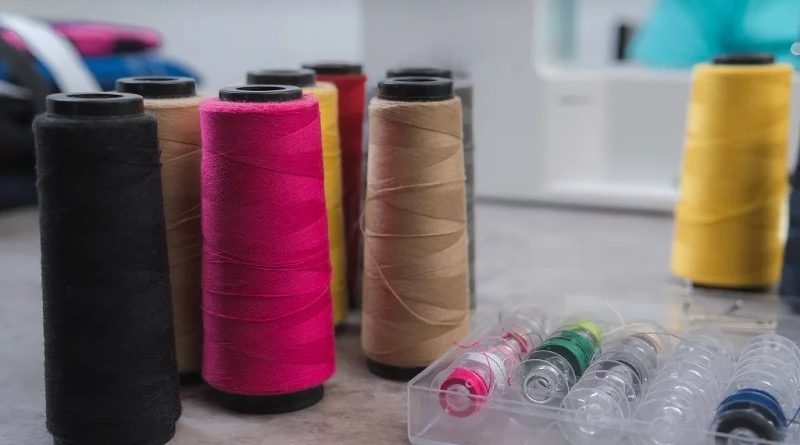
Sources said the commission is likely to recommend excluding certain yarn types—particularly 10–30 count yarn—from duty-free imports under the bonded warehouse facility. The potential move is being closely watched by domestic spinners and apparel exporters, who remain sharply divided.
The prolonged delay reflects opposing industry interests. Local spinning mills have been pushing for stronger protection, including a proposed 20 per cent safeguard duty on yarn imports, arguing that cheap imports are squeezing domestic producers. Apparel exporters, however, warn that tighter restrictions would raise production costs, disrupt buyer-nominated supply chains and weaken Bangladesh’s competitiveness in global markets.
Exporters have also pointed out that several international buyers source yarn from Indian mills due to lower costs, raising concerns that curbs on bonded imports could prompt order diversions to rival sourcing destinations.
A senior official of the Bangladesh Textile Mills Association said excluding a limited range of yarn counts from duty-free imports would offer little real relief to spinners, given broader structural challenges in the sector.
Since September last year, the Tariff Commission has held six meetings with stakeholders. Four were chaired by former chairman Dr Moinul Khan, while the issue is now being reviewed by Acting Chairman Md Abdul Gafur. Commission officials said the final recommendations, balancing the interests of both spinners and exporters, are expected to be submitted shortly.
Industry executives say the spinning sector is already under pressure as apparel orders decline amid weak global demand and political uncertainty. One senior textile group official said apparel exports have recorded month-on-month negative growth for five consecutive months, a trend that could persist in the near term. He added that election periods typically see a 25–30 per cent drop in orders.
Spinners also argue that subsidised Indian yarn, often sold below production cost, and higher domestic gas prices have further eroded their competitiveness. They have urged the government to consider targeted energy support instead of import restrictions.
On the other hand, apparel exporters have proposed restoring the earlier 4 per cent cash incentive for using local yarn—now reduced to 1.5 per cent—as a more effective way to support domestic mills without raising costs.
BKMEA Executive President Fazlee Shamim Ehsan said imposing safeguard duties or excluding yarn from bonded facilities would ultimately hurt apparel exports. “Such measures would force manufacturers to buy higher-priced local yarn, raising production costs. Some buyers have already expressed concerns,” he said.
He also cautioned that removing bonded benefits would be particularly damaging given the complexity and cost of the duty drawback system, noting a production cost gap of 30–50 cents between Indian and Bangladeshi yarn. He urged policymakers to consider incentive-based solutions rather than tariffs as the commission moves toward a final decision.