
Written by The Banking Post
A fuel supply disruption is crippling marine fishing along Bangladesh’s coastal belt, leaving hundreds of boats idle and driving up fish prices in local markets.
Fishermen and traders in Chattogram and nearby coastal areas say diesel is no longer being supplied to small fishing vessels, as petrol pumps have stopped selling fuel in drums and bottles, citing government restrictions. The move has effectively grounded many engine চালিত boats despite no nationwide shortage of diesel.
“Earlier we used to take fuel to the boats in drums or bottles. Now we are not getting any fuel,” said a fisherman from Patenga. “As a result, the boats are inoperative.”
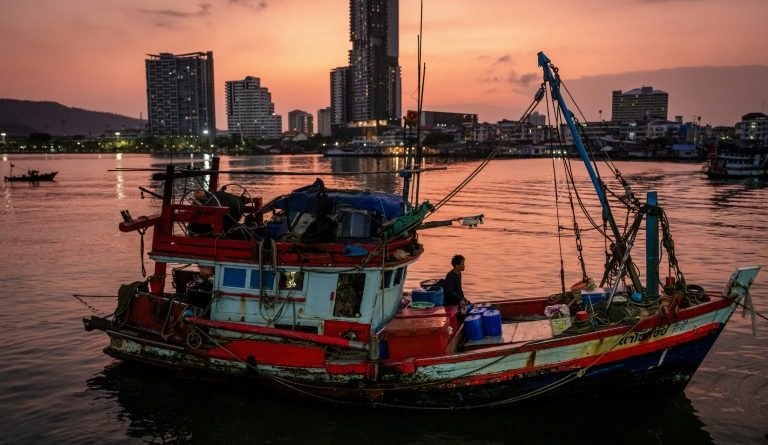
Across key fishing hubs—Fishery Ghat, Patenga, Sitakunda and Sandwip—rows of small trawlers remain anchored. Instead of heading to sea, fishermen are passing time repairing nets or waiting for fuel supplies to resume.
According to local fisheries officials, more than 1,500 boats operate along the Sitakunda coast alone, most of which are now unable to fish due to the shortage.
The disruption follows escalating tensions in the Middle East, which have strained fuel distribution channels and created uncertainty in the energy market. The fallout is already visible in the fisheries supply chain, with reduced catches pushing up prices in local markets.
Exporters warn that prolonged disruption could hit foreign earnings and employment in the sector, urging authorities to ensure uninterrupted fuel supply and consider support measures for affected fishermen.
While small-scale operators struggle, larger deep-sea vessels report fewer fuel constraints but face a different challenge—declining fish availability.
“We are getting fuel as per demand. But we are not getting fish when we go to sea,” said a vessel owner, noting that jellyfish infestations are filling nets and reducing viable catches.
Environmental factors are compounding the crisis. Lower rainfall has increased salinity levels in the Bay of Bengal, disrupting fish migration and breeding patterns. Several vessels have already returned with minimal catch.
The situation could worsen further with the government’s 58-day fishing ban set to begin on April 15, typically during peak season. Industry stakeholders warn that without swift intervention, the combined impact of fuel shortages and seasonal restrictions could deal a significant blow to livelihoods, exports and food supply.