
Written by The Banking Post
The government has launched efforts to trace and recover funds allegedly siphoned abroad through controversial “quick rental” power projects, as part of a broader push to restore transparency in the energy sector.
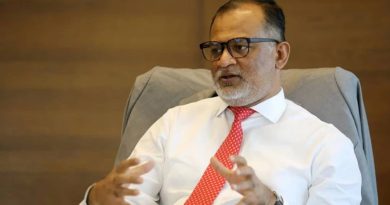
Power and energy minister Iqbal Hassan Mahmood told parliament that the finance ministry and Bangladesh Bank are working together to track illicit financial flows linked to the projects and initiate recovery.
The “quick rental” scheme, introduced under the Speedy Supply of Power and Energy (Special Provisions) Act, 2010, allowed power plants to be approved without competitive bidding. Tariffs were set through negotiations, a process the minister said led to inflated pricing and excessive capacity payments.
He alleged that politically connected groups benefited from the system, with large sums embezzled and transferred abroad. The government has since repealed the law and replaced it with new legislation, ending discretionary approvals. Legal action is now being prepared against those involved, alongside financial investigations.
On fuel supply, the minister rejected claims of a nationwide shortage, attributing disruptions to hoarding and black market activity. “There was no directive to limit fuel sales or mark vehicles,” he said, blaming panic buying and illegal stockpiling for the situation.
Authorities have stepped up enforcement, conducting more than 9,000 drives across the country and filing over 3,500 cases. Significant quantities of fuel have been recovered, he added.
To improve distribution, a digital fuel card system is being piloted in parts of Dhaka to monitor retail sales and curb irregularities. Officials said the system may be expanded nationwide if successful.
The government is also tightening oversight of the LPG market, which relies heavily on imports. With nearly all supply sourced from abroad, authorities are closely monitoring shipments amid Middle East tensions to avoid further volatility in domestic energy prices.