
Written by The Banking Post
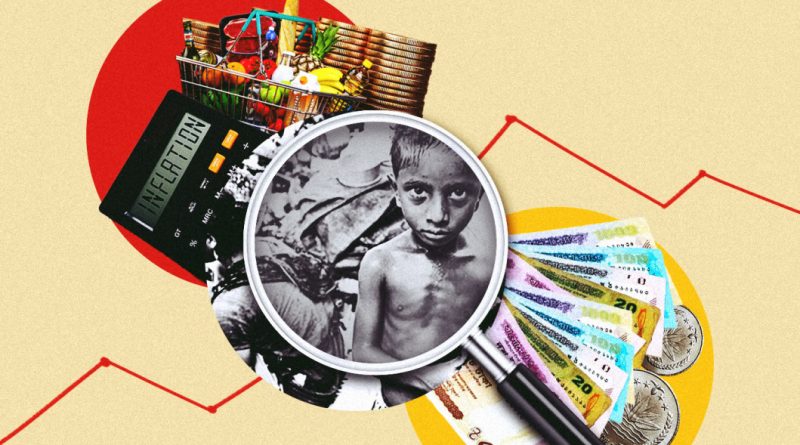
Bangladesh’s hard-won progress in reducing poverty is slipping, as inflation, weak job creation, and political instability weigh on the economy, experts cautioned at a recent policy dialogue.
At a webinar titled “What is Driving the Poverty Reversal in Bangladesh?” hosted by the Power and Participation Research Centre (PPRC), economists warned that growth strategies focused on GDP rather than employment are widening inequality and leaving millions vulnerable.
Presenting a new study, PPRC Executive Chairman Dr Hossain Zillur Rahman said poverty has risen by almost 10 percent since 2022. While 18 percent of people remain above the poverty line, they face high risks of falling back due to shocks such as chronic illness, food insecurity, mounting debt, and poor sanitation.
Unemployment has surged to 2.73 million, and nearly 15.5 percent of school-aged children are out of school—mostly because of poverty—raising fears of entrenched “generational poverty,” he said.
Prof Rehman Sobhan criticised the interim government for failing to place poverty reduction at the centre of reforms, noting that social protection remains fragmented across some 20 overlapping schemes.
Dr Selim Raihan warned that the real situation may be worse than current data suggests. Despite being hailed for rapid growth, Bangladesh is experiencing “jobless growth,” he said, with widening inequality and persistent “health and educational poverty.”
CPD’s Dr Fahmida Khatun echoed concerns over stalled private investment—stuck at 23–24 percent of GDP for over a decade—and foreign direct investment languishing below 1 percent. Limited safety nets and weak access to healthcare and education, she said, have compounded the reversal.
Former BAU vice-chancellor Prof MA Sattar Mandal stressed the rural dimension, citing slowing farm growth, weaker purchasing power for agricultural workers, and fewer non-farm jobs as key drivers of rural hardship.
Speakers called for reforms to align economic growth with job creation, expand quality education and health services, and overhaul social protection to shield vulnerable households from future shocks.