


Written by The Banking Post
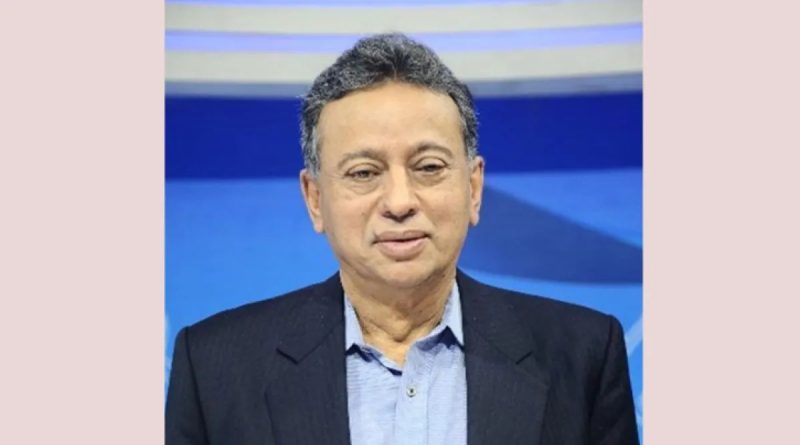
Finance Minister Amir Khosru Mahmud Chowdhury has warned that the government is grappling with a “three-way challenge” as it seeks to stabilise the economy—fragile fiscal conditions, mounting expenditure pressures, and external shocks.
Speaking after a meeting at the National Board of Revenue (NBR), he said the administration inherited a weak economic base and is prioritising stabilisation without resorting to money printing. “This is a three-way challenge—stabilising the economy, meeting public commitments, and managing external shocks,” he said.
The minister underscored the urgency of boosting revenue collection, describing resource mobilisation as central to restoring stability and delivering on policy promises. At the same time, he acknowledged that rising energy import costs—driven by tensions in the Middle East—are adding fresh pressure.
As part of immediate fiscal measures, the government has decided to waive the 7.5 per cent advance tax on newsprint imports in the upcoming budget, offering relief to the struggling newspaper industry. The sector currently faces multiple layers of taxation, significantly inflating costs.
Khosru also directed tax authorities to avoid imposing new taxes on sensitive sectors that could burden consumers in the FY2026–27 budget. He said the budget framework is being designed to balance revenue mobilisation with employment generation, support for women and small businesses, and investment promotion. “We want to prepare a budget that accommodates all these priorities,” he noted.
Highlighting structural challenges, the minister pointed to Bangladesh’s low tax-to-GDP ratio, linking it to broader economic activity. “If we cannot energise the economy, increasing the tax-GDP ratio will be difficult,” he said.
He reiterated a strategic shift from debt-driven growth to an investment-led model, stressing the need to rebuild investor confidence through policy consistency. Frequent policy changes in the past, he admitted, have discouraged both local and foreign investors.
The government is now preparing for “serious deregulation” to improve the business climate, while also working to diversify exports beyond garments. Measures such as bonded warehouse facilities and back-to-back letters of credit may be extended to emerging sectors.
Khosru also confirmed ongoing engagement with international partners, including planned meetings with Japanese and German representatives to strengthen economic cooperation.
Despite the challenges, the minister expressed cautious optimism. “If we can ensure discipline in the financial sector and capital market and build trust, investment will grow,” he said.


