
Written by The Banking Post
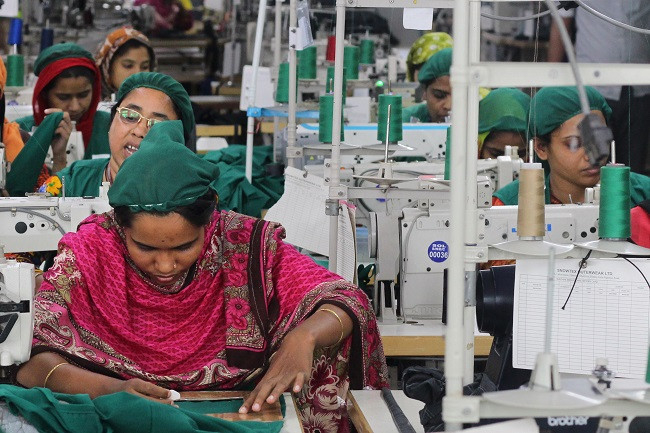
Bangladesh’s graduation from least developed country (LDC) status could deal a heavy blow to its apparel exports, as exporters may be forced to shoulder a large share of new tariff costs to remain competitive in the European Union, according to a recent study.
Once the post-graduation transition period ends in 2029, Bangladesh is set to lose duty-free access to the EU market. Apparel exports could then face tariffs of up to 12 per cent under EU safeguard measures, while key competitors such as Vietnam are expected to continue enjoying duty-free entry.
The study, conducted by Research and Development Integration for Development (RAPID), estimates that Bangladeshi exporters may need to absorb around 40 per cent of the post-graduation tariff burden by cutting prices. For every 10 per cent tariff imposed by the EU, exporters would have to lower pre-tariff prices by about 4 per cent, further squeezing already thin profit margins.
Presenting the findings at a consultation at Dhaka University on Monday, RAPID research director Md Deen Islam said Bangladesh’s apparel exports are already priced significantly lower than those of major competitors. For the top ten apparel items in the EU market, the average weighted export price is about 36 per cent lower than that of China and Vietnam. “Even Cambodia achieves a higher average price than Bangladesh,” he said.
The study also highlights exchange rate pressures that have weakened competitiveness. Between 2012 and 2022, the taka appreciated in real terms against the currencies of key rivals such as China, Vietnam and Cambodia, making Bangladeshi exports relatively more expensive even before the impact of new tariffs.
The woven apparel segment faces particular risk due to its heavy dependence on imported fabrics and other raw materials. Mr Islam noted that currency depreciation raises input costs, often offsetting any price advantage from exchange rate adjustments and limiting exporters’ ability to reduce euro-denominated prices.
To mitigate the impact of LDC graduation, the study recommends stepping up diplomatic efforts to secure GSP Plus status in the EU and pushing for the removal or relaxation of safeguard clauses in the proposed GSP framework. It also suggests coordinating with other beneficiary countries to lobby for more favourable trade terms.
On the domestic front, the study calls for strengthening backward linkages, especially in the woven sector, by encouraging local fabric production, dyeing and finishing, attracting foreign investment with advanced technology, and providing targeted financing to firms that expand domestic sourcing.
The researchers also stress the need to improve firm-level resilience by moving away from low-priced basic garments toward higher-value products, alongside greater investment in design, branding and product development.