
Written by The Banking Post
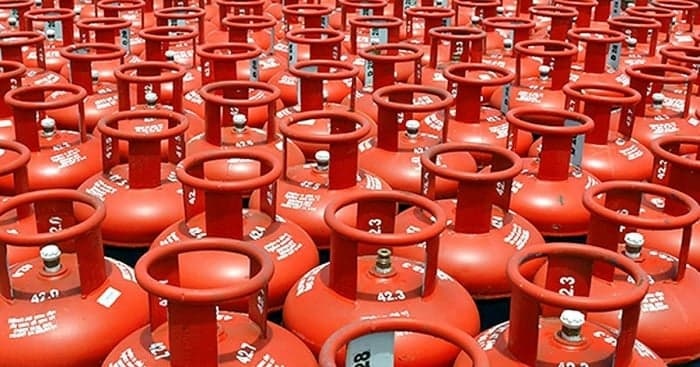
Bangladesh’s private-sector-dominated liquefied petroleum gas (LPG) market is facing renewed disruption just months after the January price chaos, with reports that many distributors and retailers are ignoring government-fixed rates to secure higher profits.
Industry sources say dealers are selling LPG above the rates set by the Bangladesh Energy Regulatory Commission, raising fears of another market “jumble” like the one seen earlier this year. Distributors claim they are not receiving LPG from importers at government-approved prices, while importers have dismissed these allegations as “baseless.”
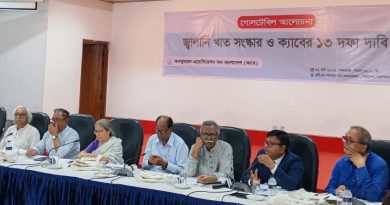
Rights groups warn that a syndicate of importers, distributors, and retailers may be exploiting the current market conditions—driven by global energy volatility and the ongoing Middle East crisis—to manipulate prices and reap extra profits.
Following the December-January turmoil, BERC had increased profit margins for distributors and retailers, and the National Board of Revenue restructured taxes, replacing a 7.5 per cent VAT at production and trading stages and a 2 per cent advance import tax with a 7.5 per cent VAT at the import stage. The government also raised import and storage limits to ensure better fuel availability.
Despite these measures, alleged coordination among market operators appears to be fueling price irregularities. LPG cylinders were widely available before the April 2 price hike, when BERC raised the price of a 12kg cylinder by Tk 387 to Tk 1,728. But some dealers reportedly restricted sales to maximise profits immediately after the increase.
Selim Khan, president of the LP Gas Bebosayee Samittee, claimed cylinders are being sold between Tk 1,700 and Tk 1,940, above the official Tk 1,633 per 12kg rate.
Humayun Rashid, vice-president of the LPG Owners Association, rejected these claims, noting that Bangladesh imported around 180,000 tonnes of LPG in March and operators are supplying the fuel at government-fixed rates to maintain market stability.
Prof Shamsul Alam, energy adviser to the Consumers Association of Bangladesh, warned that such irregularities, if unchecked, could recreate the “anarchy-like” situation seen during the recent price volatility, undermining consumer confidence and fair trade practices.