
Written by The Banking Post
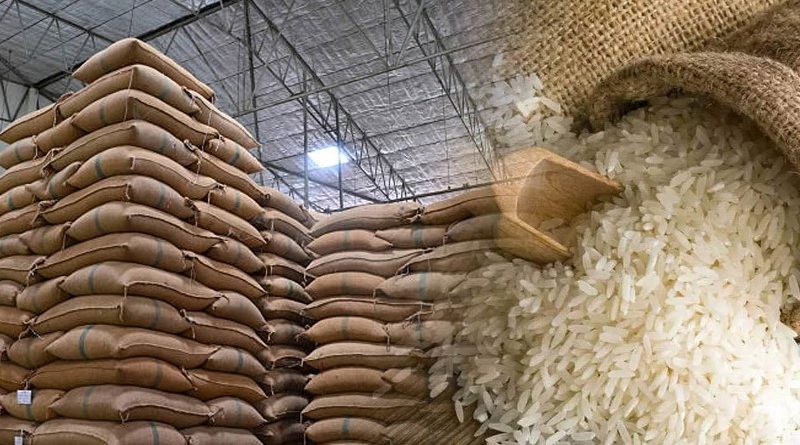
Rice imports surged sharply in the first five months of the fiscal year amid persistent volatility in the domestic market, even as prices continued to climb.
Imports rose more than 1,256 per cent year-on-year to $271.2 million during the July–November period, according to central bank data. Most of the shipments were brought in by private traders from neighbouring India, where prices remained relatively lower in recent months.
Importers moved quickly to capitalise on favourable international prices and concerns over local supply. Rice prices in the domestic market had edged up after imports were suspended during the peak Aman harvest, mainly in December, as the government sought to protect growers from a price slump.
Officials at the Directorate of Food said prices of finer rice varieties remained elevated, putting pressure on household budgets at a time when overall inflation is still high. Coarse rice prices, however, have stayed comparatively moderate.
The government has again opened the door for private imports in an effort to stabilise the market. Officials said shipments could begin from January, as high prices are weighing heavily on lower-income consumers.
The Ministry of Food typically leans on private sector imports to address short-term supply gaps. But economists caution against excessive reliance on overseas procurement, warning that poorly timed imports could hurt farmers’ earnings.
A former World Bank economist said imports need to be carefully scheduled and rotated to avoid depressing farmgate prices. Large inflows soon after harvest, he warned, can be particularly damaging for small farmers already grappling with rising input costs.
Bangladesh produces about 40 million tonnes of rice annually and is generally self-sufficient in normal years. However, erratic weather, higher production costs and market inefficiencies have made prices more volatile, keeping the staple expensive despite ample output.