
Written by The Banking Post
Textile millers have sought urgent intervention from the Bangladesh Bank to recover $8.71 million in unpaid export bills, warning that prolonged delays are choking working capital, disrupting production, and undermining export operations.
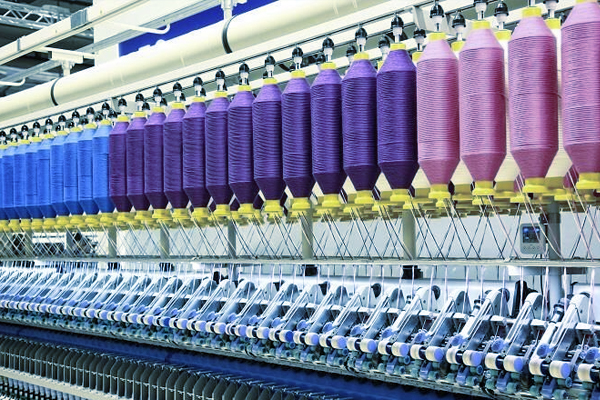
In a letter to the central bank governor, the Bangladesh Textile Mills Association (BTMA) said the dues relate to more than 150 accepted and matured bills involving 22 primary textile mills that supplied yarn and fabric to garment exporters under back-to-back letters of credit (LCs). Despite completed deliveries and expired maturity dates, payments have remained unsettled, in some cases for one to two years or more.
BTMA President Showkat Aziz Russell said commercial banks have failed to credit export proceeds to suppliers’ accounts even after bills matured, exposing mills to severe cash-flow stress. He said the situation has compounded existing pressures from high interest rates, rising energy and raw material costs, and global economic uncertainty.
The association also flagged operational bottlenecks in handling domestic LCs, particularly the requirement for bank officials to conduct on-site verification before accepting delivery—a process it described as impractical and a key reason behind delayed maturity confirmation and payment settlement.
Under central bank circular 13/2021, on-site verification is mandatory before acceptance. However, the BTMA said there is no known instance of bank officials physically visiting factories to complete such checks, leading to prolonged delays in setting maturity dates.
Instead, the association proposed that acceptance and maturity dates be determined based on delivery challans signed by authorised officials of LC-issuing banks, in line with standard banking practice that relies primarily on documentation rather than physical inspection.
Citing international trade rules under UCP 600, the BTMA stressed that payments against accepted or matured bills should be made within five working days of receiving the required documents. It urged the central bank to issue binding instructions to authorised dealer banks to ensure prompt settlements.
The association also called for reinstating the earlier system under which the Bangladesh Bank could debit a defaulting bank’s account and credit the beneficiary directly in cases of undue delay.
Warning of serious consequences, the BTMA said continued inaction could jeopardise production continuity in the primary textile sector and weaken its critical role in supporting the country’s export-oriented apparel industry.
It further urged strengthening the complaint resolution process by allowing full customer access to the central bank’s grievance portal, backed by effective monitoring and enforcement mechanisms.