
Written by The Banking Post
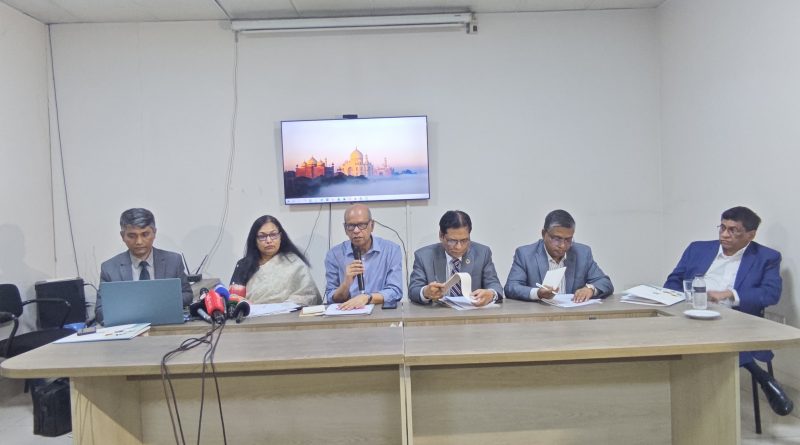
Experts say tackling bad loans, strengthening governance and ensuring central bank independence are vital for sustainable growthComprehensive reforms in Bangladesh’s banking sector are essential to stabilise the economy and support its recovery, economists and banking experts said at a seminar in Dhaka on Tuesday.Speaking at the event, CPD Distinguished Fellow Prof Mustafizur Rahman said the country’s banking crisis cannot be resolved through banking measures alone, stressing the need for broader economic and political stability.”Crises arising in the banking sector cannot be resolved through banking interventions alone,” he said.He warned that irregularities in the financial sector continue to raise business costs and weaken economic performance. Unless non-performing loans (NPLs) are brought under control and political stability is ensured, the banking sector will remain under pressure, he added.Prof Rahman also called for greater independence for Bangladesh Bank, saying the central bank must be able to make decisions free from undue interference.Bank Asia Managing Director Sohail RK Hussain said the economy remains fragile despite improvements in foreign exchange reserves and easing inflation over the past two years. Rising interest rates alongside high inflation point to underlying economic weaknesses, he noted.He also highlighted concerns over the concentration of bad loans, saying 35 per cent of the country’s NPLs are held by just 12 banks, a situation that could hamper investment and economic growth.Presenting the keynote paper, BIISS Research Director Dr Mahfuz Kabir identified persistent inflation, weak private investment, slow credit growth and governance shortcomings in the banking sector as major challenges facing the economy.He said the proposed FY2026-27 budget should prioritise financial-sector restructuring and recovery while supporting economic activity, job creation and entrepreneurship. Creating a more favourable environment for medium and large enterprises would also help accelerate private investment, he added.Dhaka University professor Dr Md Shahidul Islam Zahid said stronger private-sector participation is essential for boosting GDP growth. He also advocated expanding the range of financial institutions to reduce excessive dependence on commercial banks for financial intermediation.He added that stronger efforts to recover illicitly transferred funds from abroad would help restore public confidence.Prof Dr Rumana Huque of Dhaka University called for easier access to finance for women entrepreneurs and increased budget allocations for the health and education sectors, arguing that both areas remain underfunded.The seminar, titled “Budget 2026-27 and the Banking Sector: Expectations from the New Government,” was organised by Unnayan Shamannay with support from Bank Asia. It was chaired by Unnayan Shamannay Emeritus Fellow Khandaker Shakhawat Ali.