


Written by The Banking Post
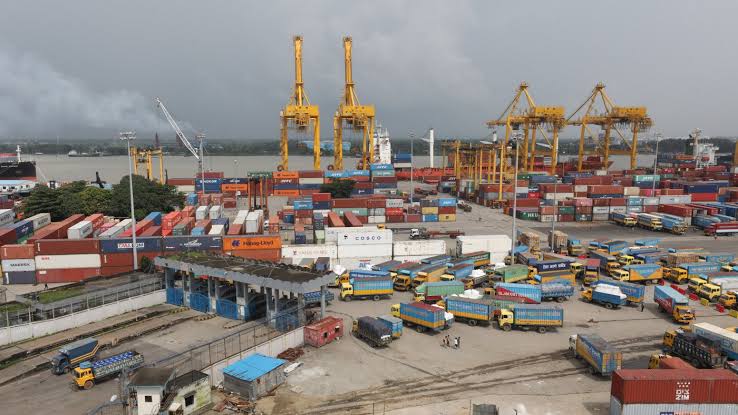
Bangladesh’s main seaport is marking 139 years of operation with record-breaking performance, reinforcing its role as the country’s primary trade gateway.
The Chittagong Port Authority said it handled its highest-ever container volume in 2025, processing 3.41 million TEUs. The milestone comes amid steady growth across all major indicators.
Compared to the previous year, container handling rose by 4.07%, while cargo throughput jumped 11.43% and ship handling increased 10.5%, according to port data. In 2024, the port managed 3.27 million TEUs, 123 million tonnes of cargo, and 3,867 vessels.
Revenue collection also climbed, reaching Tk 54.60 billion in 2025—up 7.55% year-on-year.
Officials credit infrastructure upgrades and digitalisation for the gains. Improvements such as automation services, e-gate passes, and modernised container operating systems have helped streamline operations and boost efficiency.
“Various types of infrastructure development including port automation service facilities, introduction of e-gate passes, and modernization of the container operating system are also a significant part of this success. The sincere efforts of the port users and their overall cooperation have contributed significantly to this success. However, if it were not for the NBR shutdown for 2/3 days in the last year, the number of container handling would have been more.”
The port continues to dominate Bangladesh’s external trade, handling more than 90% of import-export cargo and about 98% of container traffic.
“Chittagong port has significantly enhanced operational efficiency through a multi-pronged modernization drive—achieving record container volumes, faster berthing, and streamlining processes. The port’s facilities accommodate container and bulk carriers, making it crucial for regional commerce. As a gateway to the globe, it plays a key role in economic development, connecting Bangladesh to global markets.”


