
Written by The Banking Post
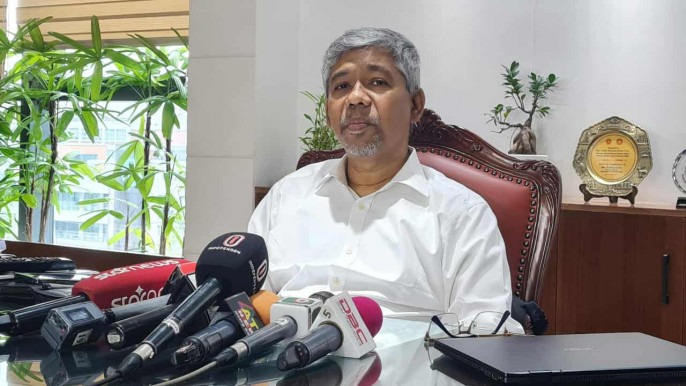
National Board of Revenue (NBR) Chairman Md Abdur Rahman Khan has called for a decisive shift to full digitisation of revenue administration, saying a modern, technology-driven system is essential to improve efficiency, transparency and taxpayer services.
Speaking on Tuesday at the launch of digital corporate tax and VAT payments via bKash, he said the successful completion of two real-time, high-value transactions had demonstrated the system’s ability to handle large payments securely and efficiently.
“This initiative takes our digitisation efforts one step further. We want all tax payments to be digital because digital transactions bring multiple advantages—real-time settlement, accuracy, transparency and reduced risk,” he said.
While individuals have long been able to make smaller tax payments through mobile financial services or cards, corporate payments are often much larger, sometimes ranging from Tk 100 crore to Tk 400 crore or more, the NBR chief said. Enabling such transactions through digital wallets and merchant accounts would significantly ease compliance for large taxpayers while strengthening revenue oversight.
He said the platform has been opened to all licensed mobile financial service providers, including Nagad, Rocket, CellFin and Upay, and expressed hope that more operators would actively support large-value tax payments. There are no regulatory barriers from Bangladesh Bank or the Ministry of Finance, he added.
Highlighting the broader benefits of going cashless, the NBR chairman said digital payments sharply reduce risks such as theft, fraud and violent crime linked to carrying large sums of money. He also pointed to the high cost of cash usage, noting that Bangladesh spends around Tk 20,000 crore annually on printing currency—an expense borne by the public.
A key element of the digitisation drive, he said, is strengthening the electronic Tax Deducted at Source (e-TDS) system. By digitally capturing withholding tax data from banks, service providers and government entities, the NBR aims to close gaps between tax deducted at source and actual tax liabilities.
He explained that many taxpayers pay lower rates at source—such as 10–15 per cent on bank interest—while their marginal tax rate may be as high as 30 per cent. Integrating e-TDS data directly into online tax returns would allow the government to legally collect the remaining tax due.
The NBR plans to link all banking systems with online income tax returns so that key information, including closing balances, interest income and deducted tax, is auto-filled—reducing errors and under-reporting.
The chairman stressed the need to fully phase out manual challans and paper-based processes, warning that partial digitisation has created inefficiencies. He also expressed concern that some revenues are still deposited using outdated four-digit economic codes, despite the introduction of seven-digit codes in 2018, which hampers real-time reporting.
“There is no justification for continuing with old codes eight years after the new system was introduced,” he said.
Looking ahead, he said the NBR is working to enable bulk withholding tax payments through automated sub-challans, allowing employers to deposit tax for thousands of employees through a single digital challan. To bring small and medium enterprises into the formal system, the NBR also plans a common software solution for VAT-registered SMEs, directly linked to the e-VAT platform for automated return filing.
Emphasising that VAT is collected from consumers on behalf of the government, he said digitisation would make compliance easier and more transparent for businesses acting as collecting agents.
Digital payments, he added, would ensure government revenue reaches the exchequer in real time, eliminating long delays associated with pay orders and cheques. Calling for the complete abolition of such instruments, he said modern digital channels have made them obsolete.
Full digitisation, he said, would reduce tax evasion, eliminate fake challans, strengthen governance and help improve Bangladesh’s tax-to-GDP ratio. “With collective effort, we can build a transparent, efficient and technology-driven revenue system that benefits both taxpayers and the state,” he added.