
Written by The Banking Post
The World Bank is set to align its future development projects in Bangladesh with the government’s 31-point electoral charter, signalling stronger coordination between development partners and national priorities.
The commitment came from World Bank President Ajay Banga during talks with Finance Minister Amir Khasru Mahmud Chowdhury on the sidelines of the IMF-World Bank Spring Meetings in Washington, D.C.
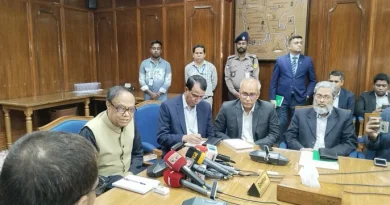
Briefing reporters, the finance minister said development partners are increasingly aligning with Bangladesh’s policy direction. “The most significant outcome is that the World Bank, along with other agencies, is now aligned with our manifesto,” he said.
He noted that development partners often pursue their own agendas, which do not always match national programmes. “This time, they have shown a strong preference for our 31-point charter,” he added.
According to the minister, the manifesto was prepared well ahead of the election through extensive planning, allowing the government to begin implementation immediately after taking office.
He said the World Bank has shown particular interest in the “creative economy” initiatives outlined in the charter. “They appreciated the programme and there are discussions about creating a dedicated portfolio for it,” he said.
On growth outlook, the minister expressed optimism despite the International Monetary Fund projecting 4.7 per cent GDP growth for the current fiscal year. He said the impact of the new government’s policies would take time to materialise but is expected to lift growth over time.
During a separate session on climate-vulnerable countries, he urged developed nations and development partners to accelerate the disbursement of pledged climate funds, stressing Bangladesh’s growing exposure to climate risks.
Bangladesh is currently under a $5.5 billion programme with the IMF, originally approved in 2023 and later expanded. So far, $3.64 billion has been disbursed in multiple tranches, with $1.86 billion remaining.
A scheduled tranche was delayed last December pending engagement with an elected government, highlighting the importance of political stability in programme implementation.
A 14-member Bangladesh delegation is attending the Spring Meetings, which began on April 13 and will run through April 18, bringing together global policymakers to discuss economic challenges and development priorities.